
Welcome to the wonderful world of Padel, Montagu! Whether you’re a longtime resident who’s been curious about those glass courts next to the Tennis Courts opposite Buildit, or a Route 62 traveler looking to try something new, this quick guide will have you understanding padel rules in no time.
Nestled here in the heart of the Langeberg Mountains, our community has always embraced active lifestyles: from hiking the local trails, climbing the magnificent mountains, to our thriving tennis club. Padel fits right into this spirit, offering a fun, social sport that’s perfect for families, friends, and anyone looking to add some excitement to their week.
Don’t worry if you’ve never held a padel racquet before. The beauty of padel rules is their simplicity. Once you understand the basics, you’ll be ready to step onto the court and start having fun. Let’s break it down together.
Every great padel rally starts with a proper serve, and the good news is that padel serves are designed to be beginner-friendly. Unlike some sports where the serve can be intimidating, padel keeps things accessible.
The serve must always be underhand and diagonal: think of it like a gentle toss rather than a powerful slam. You’ll stand behind the service line, bounce the ball once, and strike it at or below waist height. This underhand rule means that even newcomers to racquet sports can quickly get comfortable with serving.

The ball needs to bounce in your opponent’s service box before it can touch any glass walls. This rule ensures fair play and gives everyone a chance to return the serve. And here’s the reassuring part for beginners: you get two serve attempts. Miss your first serve? No worries: you have another chance to get it right.
One quirky rule to remember is the “let.” If your serve touches the net but still lands in the correct service box without hitting the side fence, you get to re-serve. It’s padel’s way of giving you a fair shake when the net gets in the way.
If you’ve ever watched any racquet sport, you’ll find padel scoring refreshingly familiar. Padel uses the classic scoring system: 0 (called “love”), 15, 30, 40, and game. This means you don’t need to learn an entirely new counting system: the basics are already in your toolkit.
When both teams reach 40-40, that’s called “deuce,” and here’s where things get interesting. A team must win two consecutive points to claim the game. This back-and-forth can create some thrilling moments that’ll have the whole family on the edge of their seats. Then it gets more interesting. A “Star Point”…. a Star Point allows for a maximum of 2 standard advantages. If the score remains tied after 2 deuces, a final decisive “star point” is played to decide the game.
A set is won by the first team to reach 6 games with at least a 2-game lead. Think of it like climbing one of our local koppies: you need to get clearly ahead to claim victory. If the score reaches 6-6, you’ll play a tiebreak where the first team to 7 points (with at least a 2-point lead) wins the set.
Most matches are best-of-three sets, meaning you need to win two sets to win the match. This format keeps games engaging without being marathon sessions: perfect for fitting into your busy Montagu schedule.
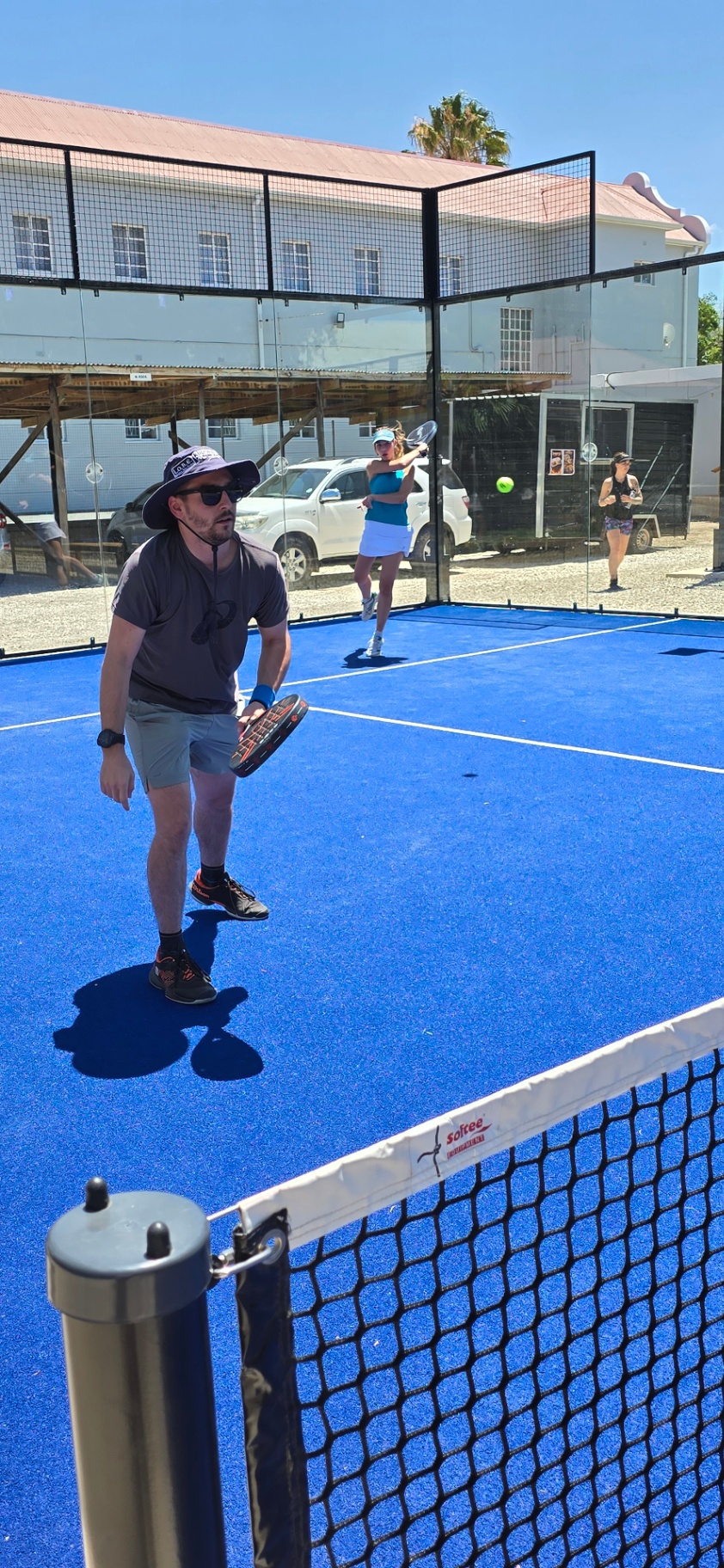
Once that serve is returned, the real fun begins. This is where padel shows its unique personality.
The golden rule to remember is: the ball must always hit the ground on your opponent’s side first.
If you hit the ball and it strikes their glass wall or the wire fence directly—without bouncing on the ground first—it’s considered “out” and you lose the point. Think of the floor as your primary target; the walls only become part of the game after the bounce.
But here’s where it gets tactical: once the ball has bounced on the ground, it can then hit the glass or fence and still be in play. In fact, you can use the glass walls to your advantage. If a shot seems impossible to reach, you can let it bounce, hit the back glass, and then play it back over the net. It’s like having an extra player on your team—those walls are there to help you stay in the rally!
Just keep in mind that the ball cannot bounce twice on your side of the court. Once it bounces once, you need to hit it before it touches the ground again.
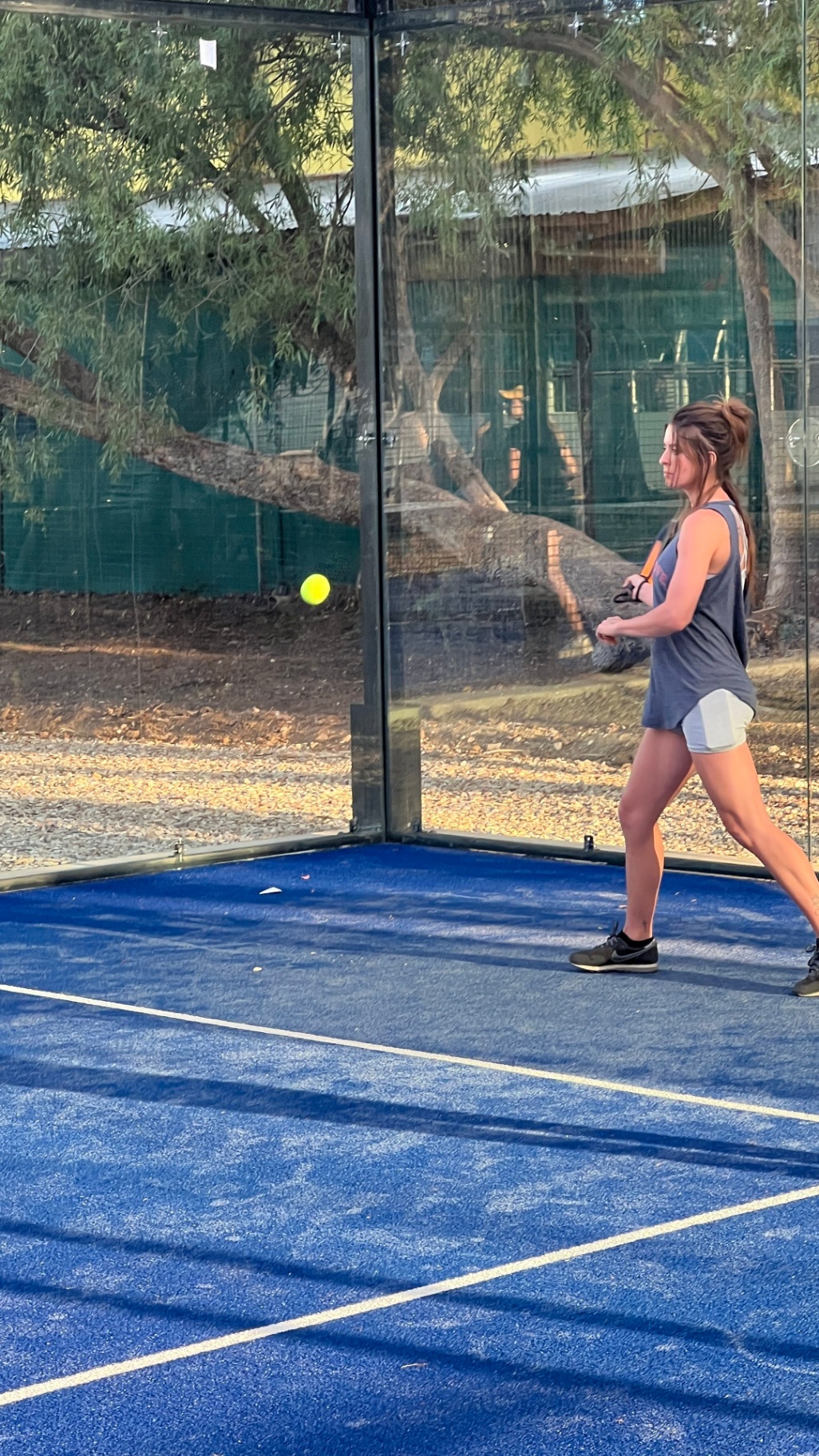
Understanding when a point is lost helps you play smarter and avoid frustrating mistakes. Here are the key faults that every padel player in Montagu should know.
These rules might seem like a lot at first, but they become second nature once you’ve played a few games. Most of them are based on simple fair play—exactly the kind of straightforward approach our community appreciates.
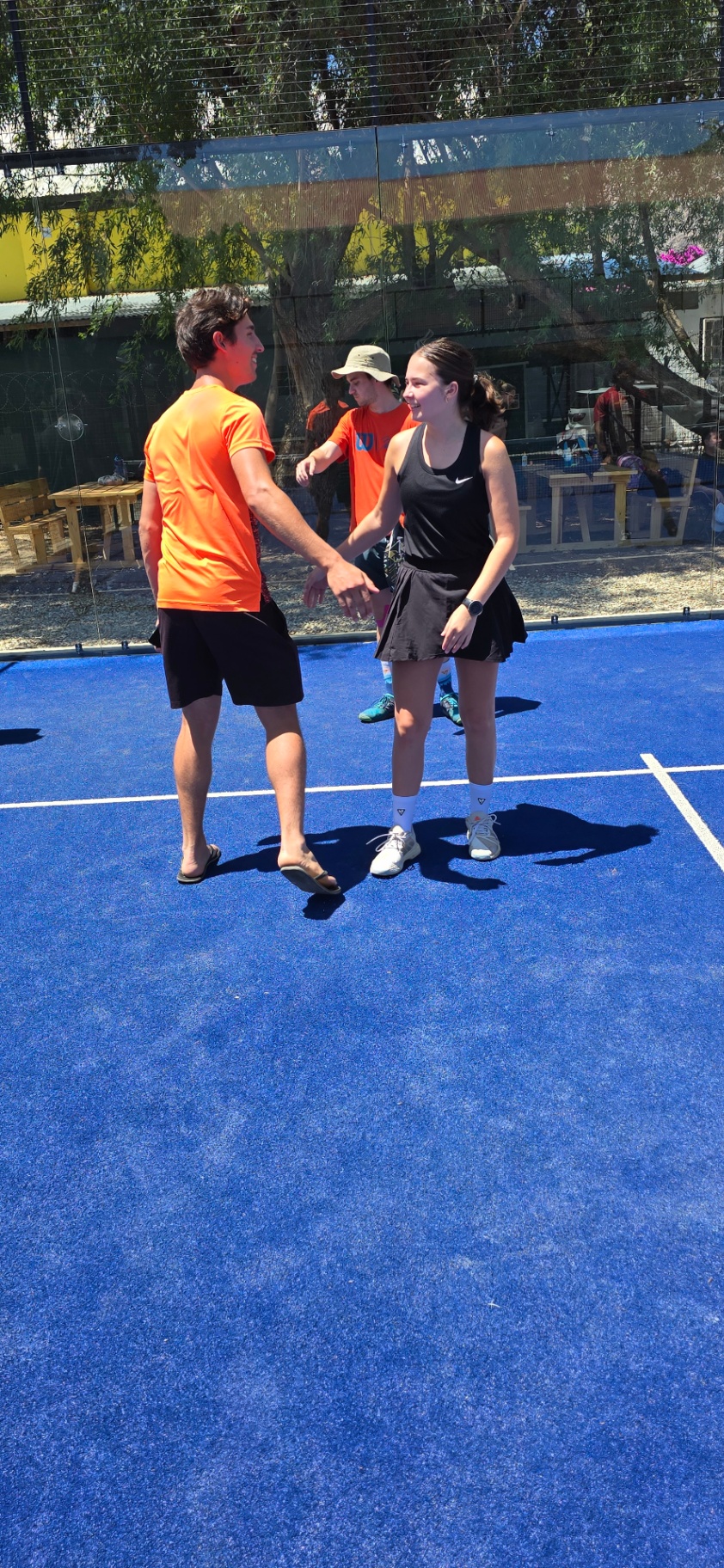
Now for some of the more unique aspects that set padel apart and make it such an engaging sport for players of all ages.
You can hit the ball off the walls: but only after it bounces first. This rule opens up incredible strategic possibilities. You might hit a shot that seems to be going out, only to watch it bounce off the back glass and create a perfect setup for your partner.
There’s one important exception: during the serve, hitting the cage is never allowed, it may hit the glass after the bounce, but not the cage. The serve must be clean and direct to maintain fairness and give everyone an equal opportunity to start each point.
Here’s a rule that often surprises newcomers: if your opponent hits the ball out of the court entirely, you’re allowed to run outside the court to retrieve and return the ball. Picture this: you’re in the middle of an exciting rally when the ball flies over the glass. You can actually chase it down and, if you’re quick enough, hit it back into play from outside the court boundaries.

This rule adds an element of athleticism and determination that fits perfectly with Montagu’s active spirit. Just like our local hikers who never give up on reaching a summit, padel players never give up on a point until the ball hits the ground twice or goes clearly out of bounds.
The beauty of padel rules is that they’re designed to be learned through playing, not just reading. While understanding these basics gives you a solid foundation, the real magic happens when you step onto the court with friends, family, or fellow community members.
Whether you’re a retiree looking for a new social activity, a family wanting to try something together, or an active local seeking your next adventure, padel welcomes everyone. The rules we’ve covered create a framework for fair, exciting play while leaving room for creativity, strategy, and those incredible rally moments that make padel so addictive.
How to play padel becomes clear once you’ve got a racquet in your hands and your feet on the court. These padel rules for beginners are your starting point, but every game teaches you something new about strategy, positioning, and the joy of this unique sport.
The glass courts are ready, the community is welcoming, and now you know the rules. All that’s left is to grab a partner and discover why padel is taking Montagu by storm. See you on the court!
Ready to get started? Visit us at Padel Montagu to learn more about court bookings, equipment, and our beginner-friendly programs.




Copyright © 2025 Padel Montagu. All Rights Reserved. Website by LDJ